Nightmare scenario: you pick up your phone, about to log into your bank account, but your phone suddenly displays a “no service” or “SOS only” message. Within moments, you get locked out of your accounts, your SMS messages get intercepted, and funds start disappearing.
The worst part is this scenario isn’t such a rare nightmare anymore. It’s the reality of SIM swap fraud, one of the fastest growing forms of mobile identity theft globally.
According to IDCARE, SIM-swap and mobile porting cases surged 240% in 2024 compared to 2023, with a staggering 90% of incidents occurring without any interaction from victims. In the UK, on the other hand, Cifas reported an even more dramatic trend: unauthorized SIM-swap fraud rose 1,055% in a single year, jumping from 289 cases in 2023 to nearly 3,000 in 2024.
More than just statistics, these numbers signal a clear priority for telcos and enterprises alike: it’s time to make SIM swap detection a frontline defense mechanism.
What Is SIM-Swap Fraud and How Does It Work?
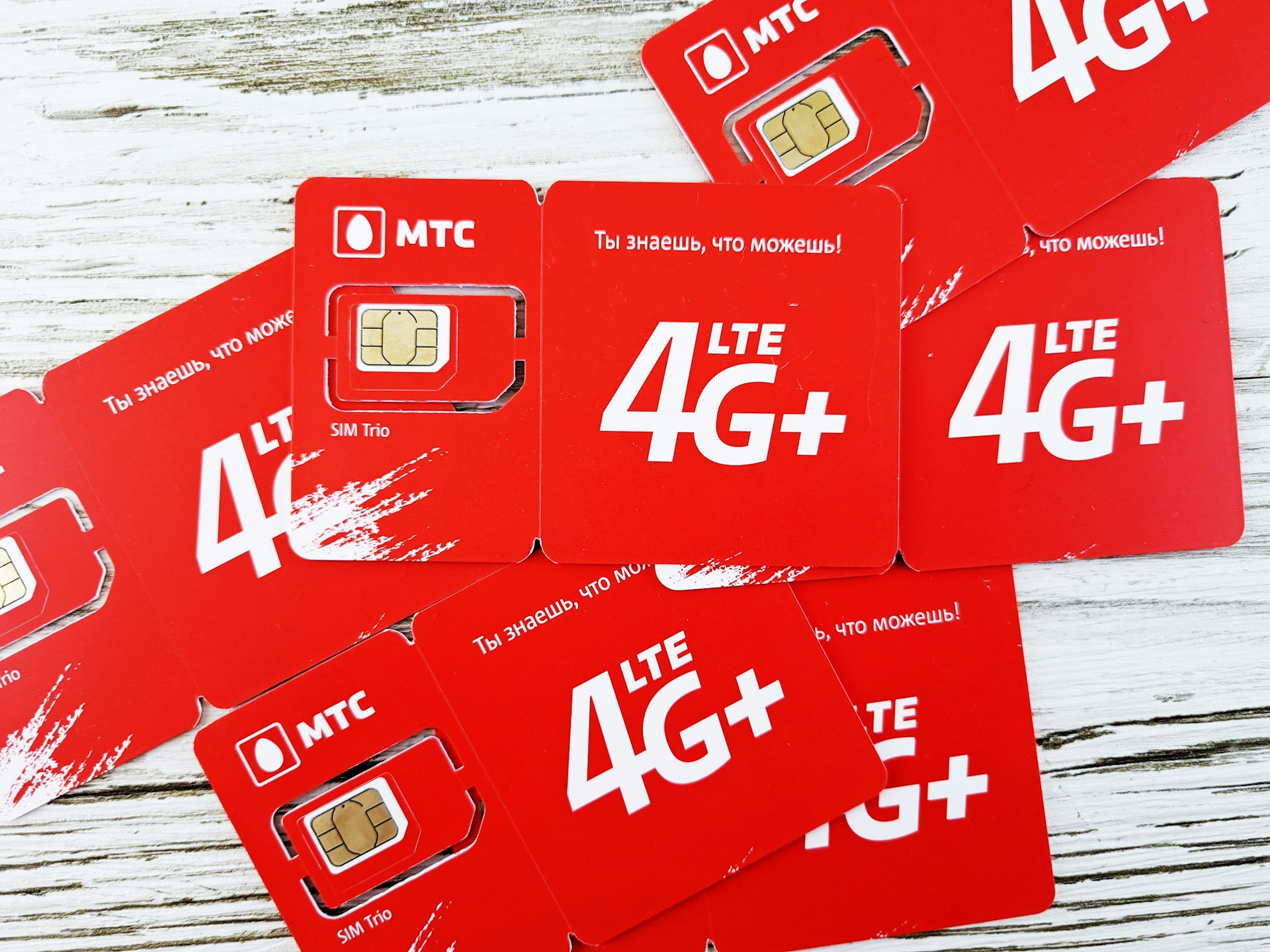
SIM swapping is a fraud strategy in which a cybercriminal tricks a mobile network operator into issuing them a new SIM card with the victim’s phone number.
This can be done through social engineering, insider compromise, and weak verification protocols from the mobile network operators, the last of which has thankfully recently started to change.
In a social engineering scheme, fraudsters will impersonate the victim, claiming that they’ve lost or damaged their SIM card. In an insider compromise scheme, criminals will bribe or manipulate telco employees to process unauthorized swaps. Finally, globally, you can still run into fairly lax authentication and verification protocols for SIM changes or number porting requests.
Once they succeed, the victim’s phone suddenly stops receiving calls and text with the attacker gaining full control: including of SMS OTPs for two-factor authentication which enable them to gain access to bank accounts, email, crypto wallets, social media, and more.
Victims often don’t even realize what is happening until damage is already done. And that damage can be grave. In 2023, the FBI estimated $49 million in direct losses from SIM swap attacks in the US alone. Scary, right?
And this is without going into months of reclaiming accounts, restoring credit, and fighting fraud charges that victims often face, or the reputational damage that businesses get.
Why SIM-Swap Detection Is More Critical Than Ever
So why is detection, specifically, the critical piece of the puzzle?
SMS 2FA is failing. Even with all the warnings from the security community, lots of businesses today still rely on SMS for two-factor authentication. Since SIM swapping bypasses this authentication layer entirely, it’s pretty unreliable.
Regulators are responding. Recently, we’ve seen more pushes from the authorities to regulate and prevent SIM swapping incidents. In the US, for example, the US FCC’s rule 23-95 mandates stronger authentication and customer notifications for SIM changes. We expect to see similar regulations spread globally soon and your company should be ready.
eSIM as a new risk surface. While eSIMs offer convenience, they also create new fraud vectors for SIM swapping. Some reports show that while in the UK, in 2022, only 18 reports referenced an eSIM, in 2024 it rose to 763, an increase of over 600%.
User trust is on the line. Telcos and businesses have to protect their brand image to ensure long-term revenue and user trust, one of the greatest currencies nowadays. Preventative and detection solutions aren’t just a nice-to-have anymore, they’re crucial business tools.
How SIM-Swap Detection Works
Ideally, a SIM swap detection tool would identify when a SIM change has occurred in a user account and take action before the cybercriminal can exploit the situation.
This would be done by sending real time notifications to businesses so they can take action, and stopping any authorization requests until the user confirms they’re using a new SIM card.
Aaand that’s where IPification enters the picture with its SIM Swap Detection solution.
When a new SIM is detected, IPification:
– Halts any SMS authentication requests, ensuring that fraudsters cannot use the swapped SIM to access accounts and wreak havoc.
– Notifies the service provider in real time, enabling them to respond quickly, whether by flagging the session, requesting additional verification, or freezing account activity.
With this combined approach, IPification stops fraudsters while giving businesses the power to protect their users proactively.
Banking, fintech, and crypto apps, usually the main targets of SIM swap fraudsters, can block cybercriminals before they strike, but other apps such as retail, ride-sharing or other e-commerce apps can rely on IPification SIM Swap Detection to reduce fraud and build customer trust, too.
What’s great news is that IPification SIM Swap Detection can be deployed as a standalone SIM swap API, independently of the IPification suite of mobile security solutions. Of course, for existing IPification partners who already integrated the GMiD BOX, IPification SIM Swap Detection is available as a kind of a natural extension.
In both cases, it’s quick to implement without disrupting existing systems. Neat!
For telcos, it would mean strengthening defenses, modernizing authentication processes, and future proofing their position as the Mobile ID manager. For enterprises, it would be moving beyond the deprecated SMS 2FA, proactive protection against account takeovers, winning user trust and improving their bottom line.
For all of us, it would mean a safer future in the face of this ever increasing fraud strategy and the hostile threat landscape.
Would you like to learn more? Shoot us a quick message to schedule a quick consultation with our team of experts. We’ll audit your current setup and identify the best direction for your business.