Team IPification is back from MWC 2026 and we’re happy to report that we have, once again, had an amazing time in Barcelona.
Great conversations, new partnerships and plenty of discussions around the future of mobile identity, authentication, and specifically, network-based authentication.
This year’s MWC marked a shift in how the industry approaches authentication.
The questions we were getting at the booth weren’t about “if” network-based authentication works, but rather “how fast can we turn it on?” Network-based identity has gone from conversation to action, taking shape through real partnerships and implementations.
Here’s what happened.
On the ground at MWC 2026
This year, we reunited with our partners from ADA at booth 6F61.
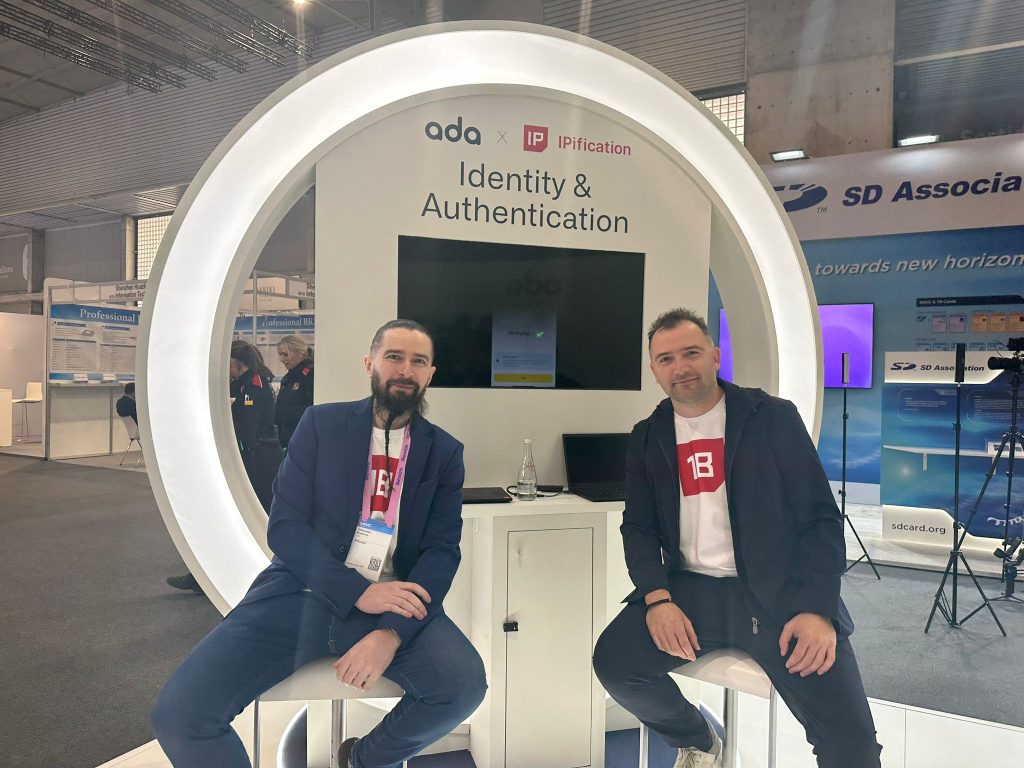
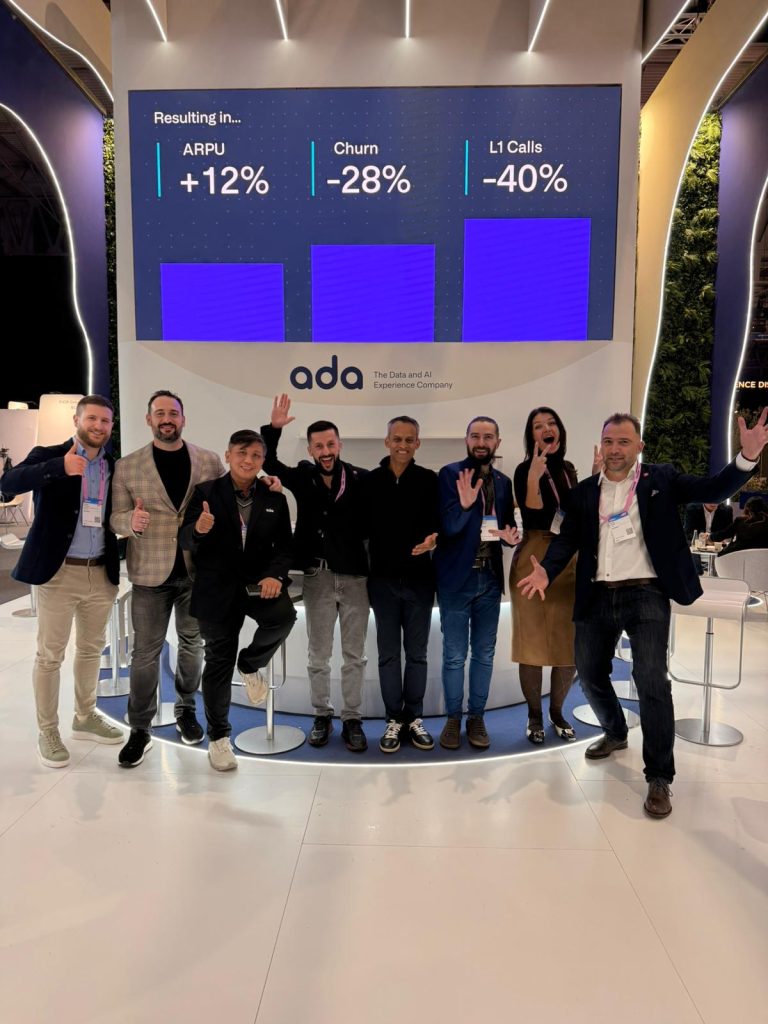
We’ve made many connections across three days and had insightful conversations with partners and enterprises centered around a familiar problem: how to strengthen authentication without adding more friction.
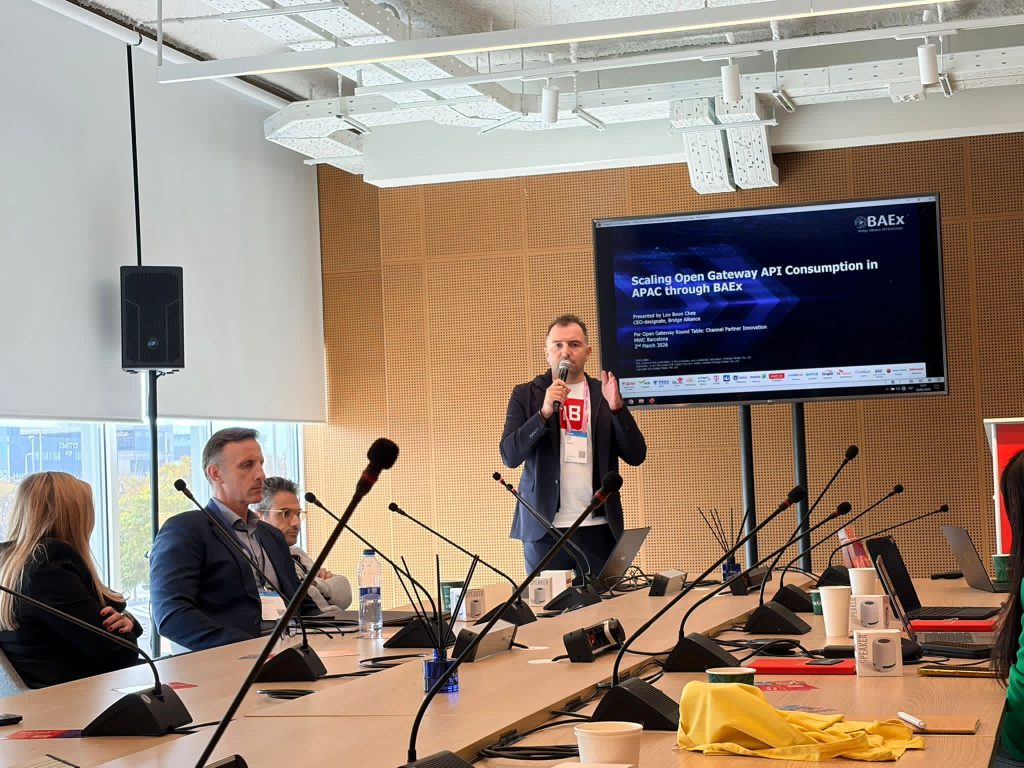
And we’ve noticed something: the way this question was being approached changed.
The discussion is no longer about which authentication method strikes the right balance between security and user experience.
It’s now about where identity should live.
That shift is increasingly pointing to the mobile network itself, where authentication can rely on stronger signals while removing friction from the user experience.
From conversations to action
Many enterprises have already sprung to action and we were proud to make a few announcements and partnerships during MWC 2026.
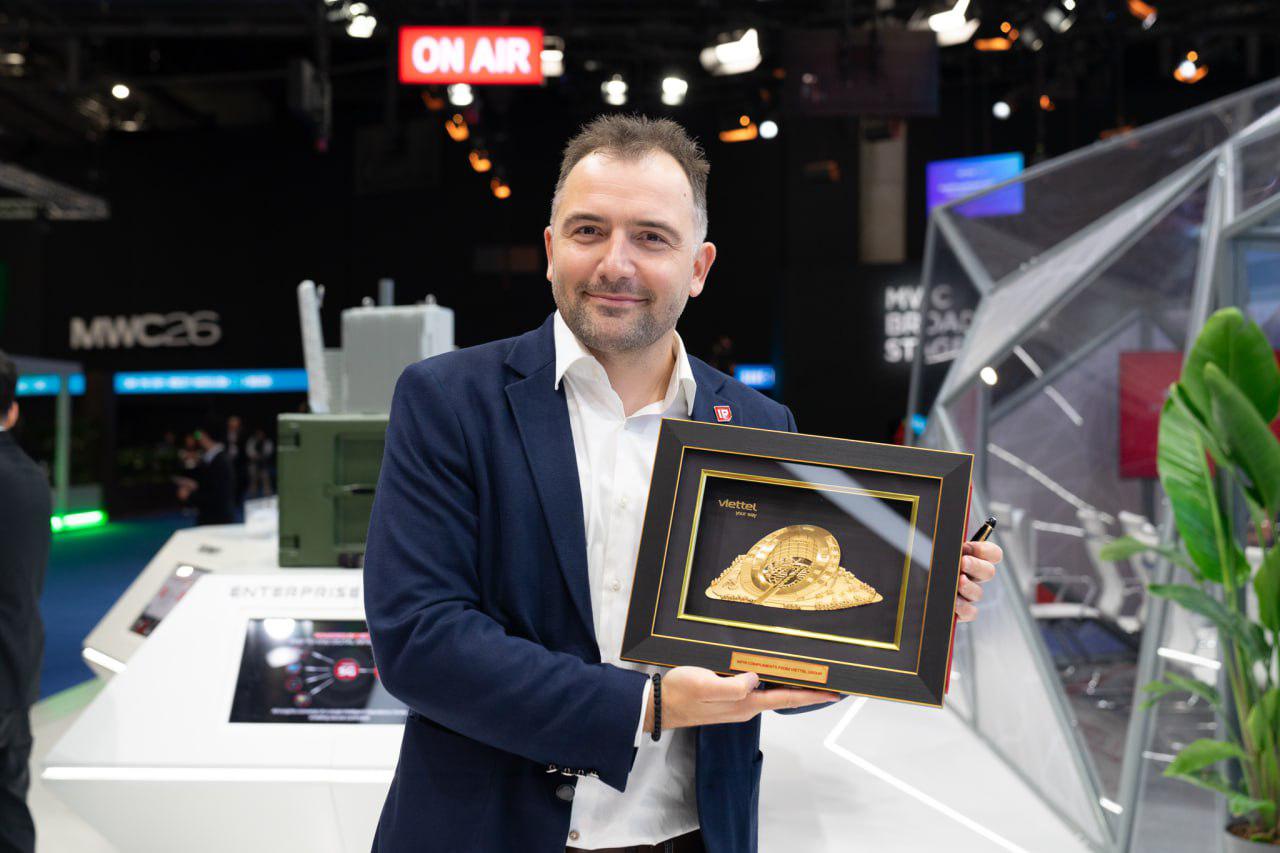
IPification and Viettel signed an agreement to establish a new standard for secure and frictionless mobile authentication in the presence of Mr. Julian Gorman, GSMA Head of APAC.
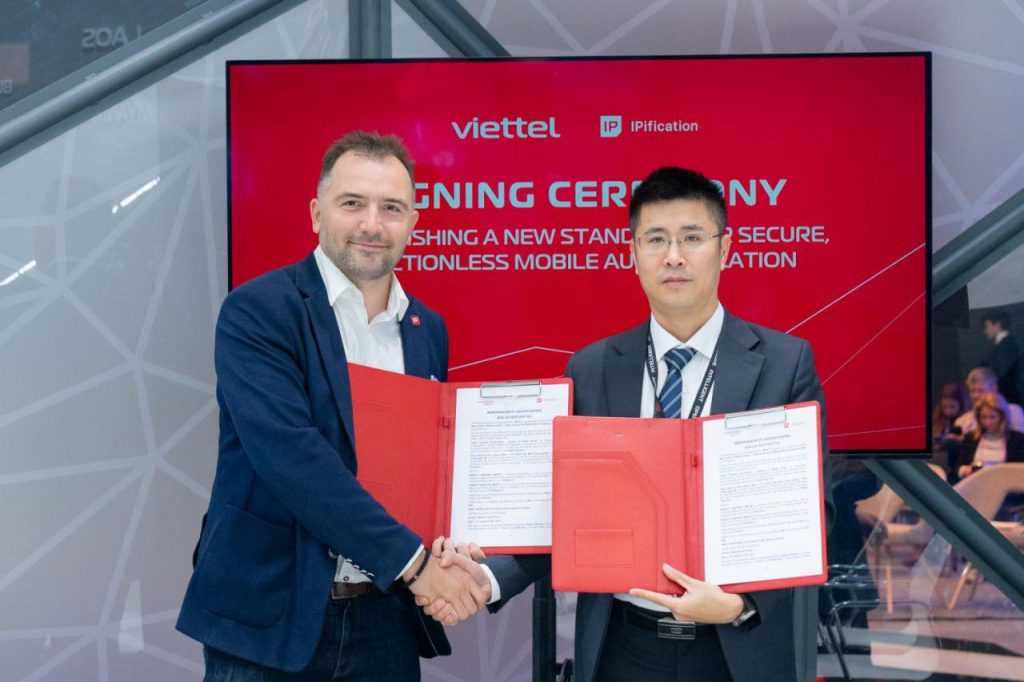
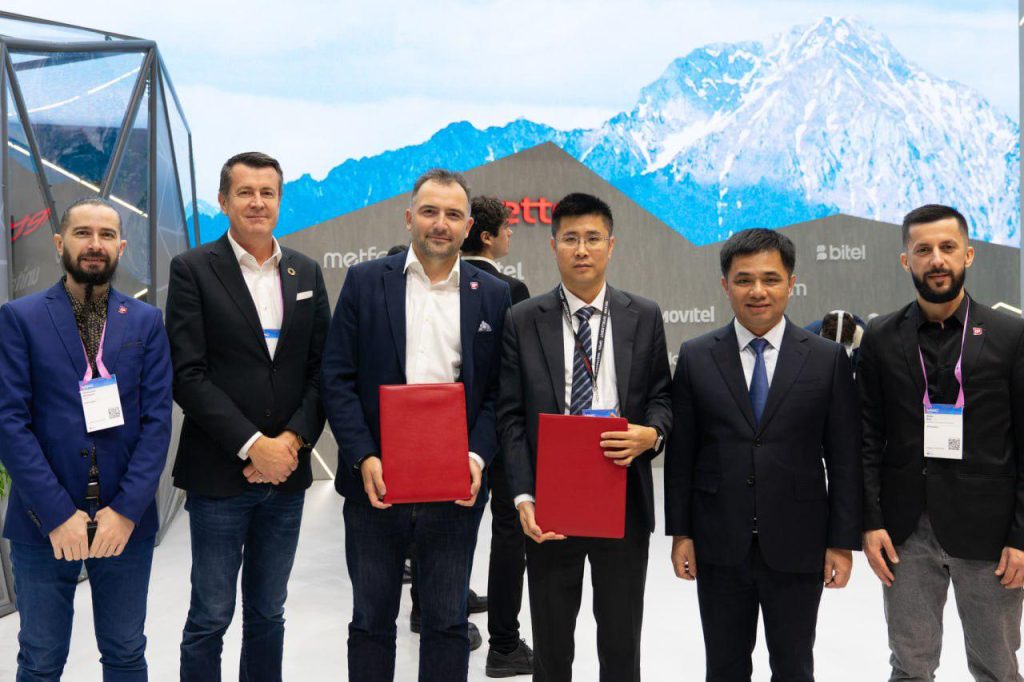
Instead of adding yet another authentication step, the focus is shifting toward enabling verification directly through the mobile network, combining network intelligence with a seamless user experience.
These aren’t isolated announcements. They reflect a broader shift toward anchoring authentication directly in the mobile network, leveraging infrastructure that already exists to verify identity more reliably and with less user action.
On a similar note, just days before MWC 2026 kicked off, IPification partnered with Telin to launch Telin Verify, a mobile network verification solution designed to authenticate users though the mobile network, securely and seamlessly.
Minimizing reliance on OTPs, notoriously vulnerable to phishing, SIM swapping, and automation driven abuse, Telin Verify validates identity at the network layer, where trust already exists.
The network is becoming the identity layer
Since the inception of the internet, most authentication flows have been built around user interaction.
Enter a password. Wait for a code. Approve a prompt. Retry if something fails.
And it works. But it also comes at a cost.
Every step adds friction to the user journey, and it introduces more dependency on user behavior which is less than ideal.
The more friction or steps users have to complete, the more likely they are to abandon your app altogether, or look for shortcuts that end up compromising security.
At the same time, each step introduces a potential point of failure.
OTPs can be delayed, intercepted, or socially engineered. Push-based MFA can be triggered repeatedly until a user eventually approves one in what’s called MFA fatigue. And helped by AI tech, social engineering fraud such as phishing and SIM swapping continues to rise.
But these methods in themselves aren’t the real problem. It’s where trust is anchored.
When authentication depends on user action, it inherits user error, delivery risk, and channel weaknesses. Adding more layers on top of that doesn’t solve the problem.
This is where the network enters the picture.
Mobile network operators already hold some of the strongest identity signals available. They know the SIM card, what’s happening in the network session in real time, which device it’s associated with, and who the subscription belongs to.
Those signals don’t sit at the application layer so they’re much harder to fake or intercept.
So instead of asking the user to repeatedly prove who they are, authentication validates whether a claimed identity matches what the network is already seeing, in real time.
The app still gets to orchestrate the experience. But the network takes on the role of verifying identity.
The result is a different approach.
Security improves because you’re no longer relying on inputs that can be phished or intercepted. At the same time, the experience becomes simpler and faster.
What this looks like in practice
In practice, it looks more seamless than ever before.
With solutions like IPification, users only need to enter their phone number and can be verified in milliseconds.
Instead of entering a password, waiting for an OTP, or opening an additional app, users are verified against their unique Mobile ID key, made of their SIM card, network and device data. What’s more, this process can even happen silently in the background, with no user action whatsoever.
For the user, this reduces authentication to a single action. For the app, it significantly increases security and improves the user experience.
Because the process does not rely on user input or transferable credentials, we put a stop to common fraud strategies such as phishing and OTP interception. With the IPification SIM Swap Detection tool, SIM changes get detected in real time and any damage prevented.
In many cases, IPification can work alongside other factors, in a multi-factor authentication system, strengthening authentication flows while reducing user friction.
It’s all about moving away from what the user knows or enters and towards signals that already exist and that are much harder to manipulate. And this is why we’re seeing more real-world implementations across the industry.
MWC 2026 didn’t introduce a new idea. It confirmed that the direction is already set.
Is your authentication strategy still asking users to do the heavy lifting?
Let’s talk about moving that burden to the network!
We’d like to thank our partners at Ada, Viettel, Telin, and the GSMA for an incredible show. We loved meeting everyone who stopped by to say hello and witnessing the positive energy surrounding the future of mobile identity.
-Team IPification