The end of the year is one of the most lucrative periods in the year, and businesses love it. But it’s also the most dangerous.
As the number of shoppers and the volume of sales increases, cyber criminals gear up to take advantage, and every year, fraud attempts rise sharply during the final quarter.
During the “Cyber Five” (Black Friday through Cyber Monday) in 2023, suspected digital shopping fraud rose by 12% compared to the rest of the year. Why?
Far more than just the sheer number of transactions, holiday shopping creates a unique environment in which fraudsters thrive. With so many things happening and so many gifts to get, users become distracted, deals are time-sensitive, and businesses are under pressure to process requests quickly. All of this creates blind spots that cybercriminals exploit.
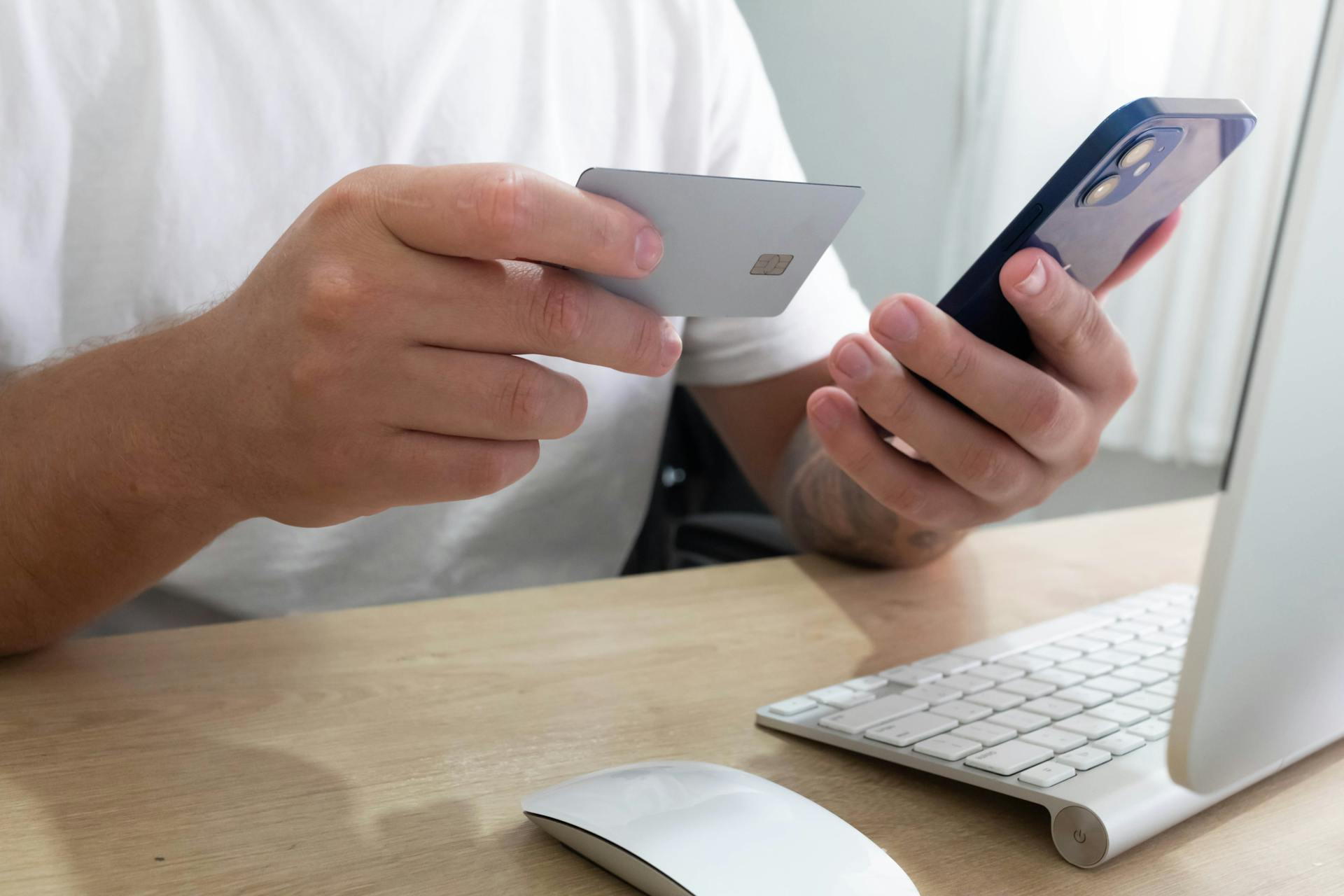
It’s important to note that mobile reigns king during this time period, too. More than 54.5% of all online holiday transactions in 2024 were made via mobile devices, with 65% of all online sales on Christmas Day coming from phones.
The result? A perfect storm of opportunity for fraud. And attackers know it. This is why the holiday months see spikes not only in the volume of attacks but also in their sophistication.
That being said, with careful preparation and consideration, we can put a stop to these attacks. Check out the five biggest fraud threats to expect this holiday season and how to get ahead.
1. Phishing Attacks
You order one single item. And you get order confirmations, shipping updates, special offers, etc. All of this noise creates a great opportunity for fraudsters to easily trick people into handing over their credentials or clicking malicious links with convincing phishing messages.
It’s easy to make holiday phishing look legitimate.
A fake shipping notification in July might raise suspicion, but in December, it’s likely to look normal. When you have three packages on the way, how easy is it to ignore an email saying “your package couldn’t be delivered, update your information”?
Add the Gen AI expansion on top of this, and Houston, we have a problem.
AI helps fraudsters make convincing fake websites and emails at a much higher scale, so it’s no wonder that phishing has surged 4,151% since the introduction of Chat GPT!
Once attackers capture login details or payment information, they can pivot to account takeover or direct theft. Yikes!
2. Account Takeover
An all-year-long favorite activity for fraudsters thanks to the billions of leaked credentials circulating the dark web, account takeover fraud is more difficult to notice during the holidays when users log into their eCommerce, fintech or mBanking accounts more often than usual.
Fraudsters use stolen usernames and passwords to access real customer accounts, make unauthorized purchases, or drain loyalty points. Once inside, they can also harvest personal data for further attacks, resell accounts, and more.
If the victim notices the suspicious login activity notification right away, then great. If not, because it’s drowned in the noise of online activity during this time, the damage may already be done by the time they notice.
Pro tip: Don’t forget to check whether your credentials have been leaked somewhere on HaveIBeenPwned and always switch on two-factor authentication when available.
3. Synthetic Identity Fraud
Not all cyberthreats target your existing customers. Some, like synthetic identity fraud, create completely new identities by combining real information, say leaked ID numbers, with fake details.
Fraudsters then use these synthetic profiles to open accounts, apply for loans, or exploit the “buy now, pay later” offers common in the holiday season.
More often than not, these identities can slip past automated onboarding systems because the data looks real on the surface. It’s only later, when the customers default on payments, that the fraud becomes obvious.
The holiday season magnifies the risk. With the surge in demand, businesses often loosen controls to accelerate customer acquisition. More people signing up means more opportunities for fraudsters to slip through.
4. SIM Swap Fraud
No fraud list today would be complete without mentioning SIM swap fraud.
On the off chance that you’re unfamiliar, attackers try to trick your mobile network operator into issuing them a new SIM card with your number on it. And once they control your number, they can intercept SMS OTPs, reset passwords, and more. By the time you realize what’s happening, the damage is likely already done.
Particularly effective against SMS OTP-heavy systems, SIM swapping is even more interesting to cybercriminals in the final quarter of the year when logins and payments surge. A fraudster who successfully performs a SIM swap can bypass every SMS-based security measure and take full control of accounts.
In recent years, SIM swaps have been tied to multimillion-dollar crypto thefts, drained bank accounts, and even social media takeovers of high-profile users. For businesses, the reputational fallout is just as costly as the fraud losses.
5. Credential Stuffing and Bot Attacks
Millions of credentials have been leaked over the last five years. And many users still reuse passwords across services. That’s where credential stuffing and bot attacks enter the picture.
Bots can test millions of credentials in a short time, often disguised as legitimate users. During high-traffic shopping events like Black Friday, businesses may struggle to distinguish malicious activity from real customers, creating the perfect cover for attackers.
This causes breaches, yes — but it’s not the only bad thing that happens. It also inflates infrastructure costs, and slows down websites, and that frustrates real customers who suddenly face extra friction at checkout.
The Bigger Picture: Why OTPs and Passwords Aren’t Enough
These five threats may look different, but they all exploit the same weakness: outdated authentication and verification methods.
As long as businesses rely on fragile, user-managed credentials, attackers will find ways in, and the holiday season gives them more chances than ever.
When a business is breached, the damage is rarely limited to the immediate fraud losses.
In fact, the average global cost of a data breach hit $4.88 million in 2024. But that is only one part of the story.
When it happens, customers tend to walk away: nearly one in three consumers say they stopped doing business with a company known to have compromised cybersecurity, while 66% of U.S. consumers say they would not trust a company after a breach.
The reputational hit to the brand image then drives long-term revenue loss, higher acquisition costs, regulatory scrutiny, and even insurance hikes.
So how do businesses protect themselves?
The problem with many common defenses is that they end up adding friction for the users: think CAPTCHAs, additional verifications, endless password resets, etc. And this is a problem because frustrated customers then tend to abandon their purchases and go to your competitor.
Did you know that a 1-second delay in load time can cut conversions by 7% while 60% of users say they often feel slowed down or blocked from accessing online services? Yep.
Instead, the solution lies in modern, mobile-first identity technologies that strengthen defenses while making the customer journey faster, not slower.
2025 Holiday Gift to Users: Seamless & Secure Authentication
The best gift you can give your users (and your business) this holiday season is seamless and secure authentication such as IPification.
By working directly with mobile network operators, IPification provides passwordless and phishing-resistant mobile authentication, phone number verification, and fraud prevention solutions such as KYC, SIM Swap Detection, and more.
IPification generates a unique Mobile ID key for each user based on their SIM card, device, and network data. The users only need to put in their phone number and tap once, and they’re authenticated within milliseconds. Because it’s passwordless, phishing, account takeover and credential stuffing attacks lose their impact.
Moreover, with the KYC data match and pre-fill, IPification makes it harder for synthetic identities to slip through by validating user-submitted information against telco data.
The SIM Swap Detection tool is capable of detecting new SIM cards which is when it sends the mobile app developer a real-time notification and gives them the power to stop any further authorization requests until a user confirms they’re indeed using a new SIM card. This prevents any damage from being done even if the SIM swap was successful.
Finally, when users want fast, frictionless experiences, IPification delivers, helping to reduce drop-offs while boosting security. For businesses heading into the busiest, riskiest time of the year, that trifecta of security, user experience and data privacy is what sets it apart.
It may or may not be right for your use case, but we can help find that out. Get in touch with us to schedule a free session with our team of experts.